

As environmental protection and sustainable development become top priorities across global manufacturing industries, companies in machining and grinding are increasingly seeking solutions that minimize environmental impact while maintaining production efficiency. Among these solutions, dry grinding technology has emerged as a promising approach aligned with ESG (Environmental, Social, and Governance) principles.
Dry Grinding Technology – Why Is It Considered an ESG Solution?
Conventional Grinding Technology and Its Limitations
In most traditional grinding processes, cutting fluids (coolants) play an almost indispensable role. Coolants are commonly used to reduce heat generated by friction between the grinding wheel and the workpiece, support chip evacuation, and improve surface quality. However, their use also introduces a range of environmental and operational challenges.
Industry studies show that grinding coolants often contain oils, chemical additives, and metal contaminants. When disposed of, these fluids must undergo strict treatment processes to prevent soil and water pollution. In addition, coolant recycling and treatment require filtration and cooling systems that consume significant amounts of energy and increase operating costs. Beyond environmental concerns, improper coolant management may generate oil mist, metal dust, and fine airborne particles, negatively affecting workplace conditions and posing long-term health risks to operators (Source: Results in Engineering).
Dry Grinding – A Shift Toward Sustainable Manufacturing
As sustainability requirements become increasingly defined, dry grinding is widely regarded as a technology aligned with ESG-driven manufacturing strategies. Instead of relying on cutting fluids, dry grinding leverages machine design, abrasive materials, and advanced thermal control systems to maintain machining quality without coolant.
Eliminating cutting fluids significantly reduces industrial waste and simplifies environmental management. Beyond environmental benefits, dry grinding also offers additional advantages such as:
- Cleaner production environments with reduced air pollution and dust, enabled by optimized machine design and dust extraction systems
- Lower operational costs by eliminating expenses related to coolant purchase, storage, usage, and disposal
As a result, dry grinding represents not only a technical improvement, but also a fundamental shift in manufacturing mindset, where technology adoption directly supports ESG objectives and long-term competitiveness.
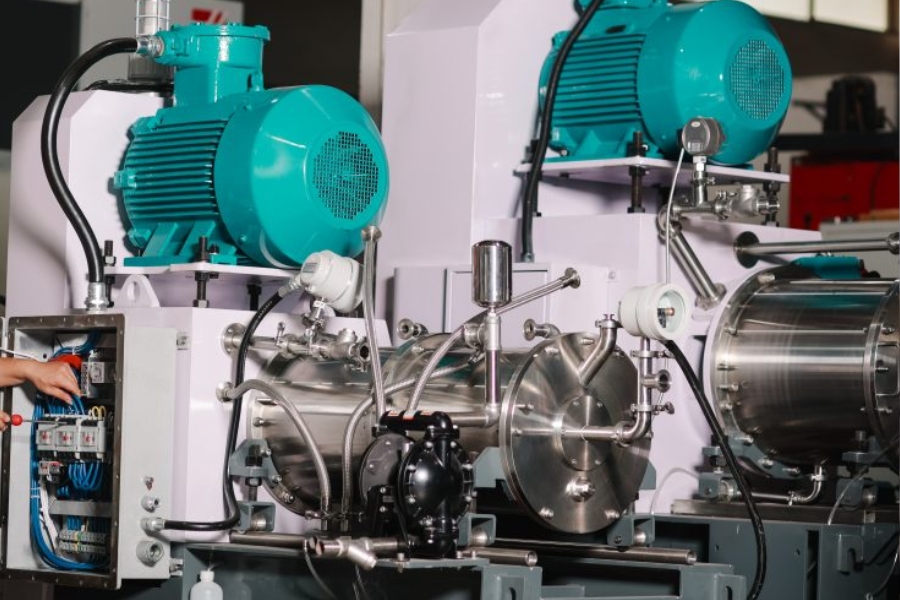
Environmental Benefits of Dry Grinding Compared to Conventional Grinding
Research published in the Journal of Cleaner Production (ScienceDirect) indicates that, when assessed across the entire operational life cycle, dry grinding processes can significantly reduce overall resource consumption and greenhouse gas emissions compared to conventional wet grinding, particularly when indirect factors beyond the machining stage are considered.
Key findings include:
- Dry grinding consumes less energy by eliminating pumping, cooling, and fluid treatment systems
- Lifecycle carbon emissions associated with dry grinding can be substantially lower, up to 332% less in certain cases, when accounting for coolant production, usage, and disposal
- Eliminating coolants also reduces potential environmental contamination and the risk of leakage into surrounding ecosystems
These benefits not only help manufacturers mitigate environmental risks but also strengthen compliance with increasingly stringent ESG requirements and environmental regulations in export markets.
Applications of Dry Grinding Technology in Modern Manufacturing
In modern manufacturing environments, dry grinding is no longer an experimental solution; it has been successfully implemented in facilities that demand high environmental standards and operational efficiency. This approach is typically applied using dedicated grinding machines designed to effectively manage heat generation and contact forces in the grinding zone without cutting fluids.
In addition to fully dry grinding, many manufacturers adopt Minimum Quantity Lubrication (MQL) as an intermediate solution to balance technical performance and ESG objectives. Rather than using large volumes of coolant, MQL delivers a minimal amount of lubricant directly to the cutting zone,sufficient to reduce friction and heat generation during grinding.
The adoption of dry grinding or MQL also aligns well with other sustainable manufacturing practices, including:
- Reduced volumes of residual fluids requiring treatment
- Optimized material flow and improved collection or reuse of chips and abrasive debris
- Integration with advanced dust extraction and air filtration systems to ensure clean and safe production environments
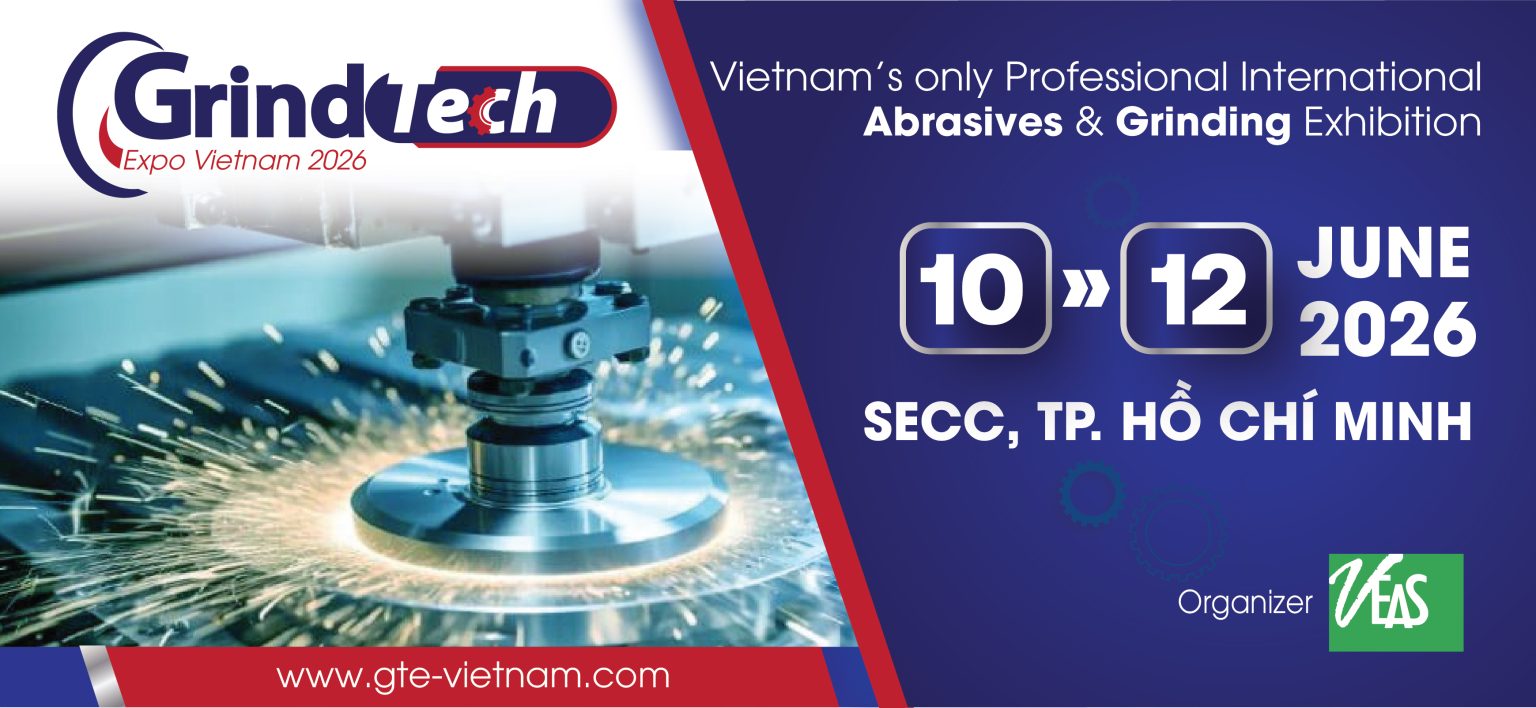
Grind Tech Expo Vietnam 2026
As the grinding and surface finishing industry transitions toward sustainable manufacturing models aligned with ESG principles, solutions such as dry grinding and MQL are increasingly recognized as key components of long-term technology upgrade strategies.
In this context, Grind Tech Expo Vietnam 2026 serves as a strategic industry platform where businesses can directly explore, evaluate, and exchange insights on advanced grinding technologies oriented toward ESG. The exhibition enables industry stakeholders to stay informed on emerging trends, connect with suitable technology partners, and progressively define sustainable development pathways for the grinding industry in Vietnam.
Book your stand now: https://checkin.veas.com.vn/book-a-stand/PRC2027/forms/gte?locale=en